You’ve sold your car online or found a new ride out of state, and now comes the shipping choice: open or enclosed transport. Think of it like picking a seat on a flight. Both get you there, but one is an economy with a view, and the other is a calmer cabin with fewer seats. Price, protection, timing, and how the driver loads your car all change with the trailer you choose. In this guide, we’ll keep things simple, lay out the major differences, and offer quick checks you can use before you book. By the end, you’ll know which setup fits your budget, your timeline, and the kind of vehicle you own, so the move feels clear from the start.
1. How Access And Space Needs Differ For Cars
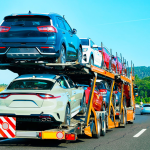
The first difference is the way trucks load, park, and secure vehicles. Open carriers are the ones you see most on highways: two long decks, many wheel straps, and a steep set of ramps. They are built to move more cars at once. Because they carry eight to ten vehicles on average, the driver often needs extra curb space and a wider street for safe loading. That can be tough in dense neighborhoods, steep hills, or tight cul-de-sacs. When direct loading isn’t possible, drivers set a nearby meeting point like a large parking lot.
Enclosed carriers usually move fewer vehicles, often two to six, inside a boxed trailer. The ramps tend to be lower and the angle gentler. Many enclosed trailers also use hydraulic liftgates that keep the car level from ground to deck. This reduces risk for low-clearance cars and vehicles with long front lips or special aero kits. If you’re moving a sports car, classic, or custom ride with limited ground clearance, this single feature can make enclosed transport the better fit.
- Open carriers: more slots, higher decks, steeper ramps
- Enclosed carriers: fewer slots, gentler loading, possible liftgate
- Tight streets: open trucks may request a nearby lot
- Low cars: enclosed setups reduce scraping and bumper contact
Measure your car’s ground clearance and note any splitters, side skirts, or air suspension settings. Share those details when you request a quote so the dispatcher can assign the right trailer and equipment.
2. What To Expect From Price And Fees
The second difference is cost. Open transport is usually the more budget-friendly option because the carrier moves more cars per run, spreading fuel, driver time, and tolls across many customers. Enclosed transport is priced higher since the truck holds fewer vehicles and offers extra protection. While exact numbers vary by distance, route demand, vehicle size, and timing, the price gap between open and enclosed can be meaningful on the same route.
Common price factors to note:
- Distance and route demand (busy lanes often cost less)
- Vehicle size and weight (full-size trucks/SUVs take more space)
- Running condition (non-running cars need a winch and extra effort)
- Timing (tight pickup windows and weekend moves can cost more)
- Seasonal flow (snowbird traffic, relocations, college move-ins)
Fee notes worth knowing in plain terms:
- Open carriers may offer quicker “spot” rates on common lanes.
- Enclosed carriers may quote a higher base and include extras like soft-strap tie-downs, single-car or two-car service, and lower ramp angles.
- Expedited pickup often adds a premium in both cases, as dispatchers must reshuffle routes.
- Door-to-door service is often standard, but if your street can’t fit a trailer safely, the driver may ask to meet at a wider location close by.
If you’re weighing price versus protection, consider the vehicle’s value, paint condition, wheel finish, and your timeline. For a daily driver with normal clearance, open transport is cost-effective. For a collector car, a freshly restored vehicle, or an exotic one with costly paintwork, the extra cost of enclosed service can be worth it.
3. Protection From Weather, Debris, And Road Risks
The third difference is protection on the road. Open transport leaves vehicles exposed to sun, rain, dust, and road grit along the route. While damage to reputable hauls is rare, paint can pick up light dust or film, and in storms, the car can arrive wet or dirty. Wheels are secured with straps; professional carriers protect body panels by avoiding contact with chains or hard edges.
Enclosed transport shields the vehicle behind solid walls and a roof. This keeps out most weather, flying debris, and prying eyes. Many enclosed operators use soft-strap or wheel-net systems that avoid metal-to-metal contact. The extra barrier is a strong fit for high-value paint, ceramic coatings, matte finishes, and delicate trim pieces. If your car wears sticky track tires, an enclosed trailer also reduces roadside grit that can embed in rubber.
Simple protection checklist:
- Open: exposed to elements; good for daily drivers, fleet cars
- Enclosed: protected from weather and debris; ideal for exotics, classics, museum cars
- Tie-downs: look for soft straps/wheel nets and clear anchor points
- Photos: take time-stamped photos before pickup and at delivery
Enclosed trailers differ in air flow and moisture control. Some have vents that help reduce condensation during big temperature swings. Ask the dispatcher about ventilation if your route crosses hot days and cold nights.
4. Speed, Availability, And Scheduling Differences Explained Clearly
The fourth difference is how soon you can get a spot and how predictable timing feels. Open carriers dominate the market, so they show up more often on major routes and dates. That usually means faster matches for common city pairs and a wider pool of trucks. If you have flexible dates, open can be very quick, especially on popular corridors and in peak moving months.
Enclosed carriers have fewer total trucks on the road. They also haul fewer cars per run, so lead times can stretch, especially for long routes or rural pickups. When you do get on an enclosed trailer, the driver can give more focused attention to each vehicle and may plan tighter pickup windows. Still, availability is the main hurdle: it may take longer to align a trailer, liftgate, and the exact route you need.
Here’s a simple way to think about scheduling:
- Open trucks: more frequent departures, easier last-minute spots
- Enclosed trucks: fewer departures, plan a bit earlier
- Exact pickup windows: both types will give a time range, adjusted by traffic and weather
- Realistic transit: coast-to-coast trips often span multiple days; ask for an estimated pickup and delivery window, then stay reachable by phone
If your timeline is strict and your car is a daily driver, open transport’s broader availability can help. If your car is high-value and your dates are somewhat flexible, enclosed is a fine choice—just start the booking process earlier.
Conclusion
Choosing between open and enclosed transport comes down to value, timing, and the vehicle’s needs. Open works well for most daily drivers at a lower cost. Enclosed adds protection, careful loading angles, and privacy, which suits high-value or low-clearance cars. Plan a little earlier for enclosed and share specific details about your vehicle. Take clear photos, review the bill of lading, and keep your phone handy on pickup day. Auto Relocation Transport & Shipping offers vehicle shipping. We offer open and enclosed carrier options, door-to-door delivery, classic and exotic car shipping, motorcycle transport, and expedited scheduling when available. With a few simple steps and the right carrier match, you’ll get a smooth, worry-free handoff and delivery.